Baptism is a special moment in the life of a baby and his or her parents. This first sacrament is preceded by a great deal of preparation, both formal and informal. Sometimes, caught up in the hustle and bustle of daily life, parents forget a few things. In this article, we offer tips on how to prepare for a baptism and discuss the following topics:
· When should you baptize your child?
· The baptism ceremony—what formalities need to be completed?
· What do the preparations for baptism involve?
· Holy Baptism—the process
When should a child be baptized?
According to church tradition, a child’s baptism should take place within the first few months—or even weeks—of life. Most parents follow this tradition and choose to baptize their child between the 3rd and 9th month of life. At that age, the baby isn’t walking yet, so they won’t be wriggling away. Having a baby receive the sacrament at this age is not only common but also practical—there’s a good chance the child will sleep through the entire ceremony. It’s precisely this issue that often stresses parents during a christening—yet it’s something they have no control over.
As for the date, it’s important to note that holidays are highly sought-after times. When asked, “When is the christening?” many parents say it will be on Christmas or at Easter. If you choose one of these dates, it’s a good idea to visit the parish office as early as two months in advance. For standard dates, two weeks are more than enough—of course, you should wait until the baby and their mother are back home before calmly taking care of all the arrangements.
In cases where a child is seriously ill, the sacrament should take place as soon as possible and may also be administered by a layperson. Of course, if the baby recovers later, the ceremony is repeated in church.
Sometimes parents decide they don’t want to make the decision about baptism on behalf of their child. In such cases, when the young person grows up, they decide for themselves whether they want to be baptized or not.
The Baptism Ceremony—What Formalities Need to Be Completed?
When planning a baptism, there are a number of formalities to keep in mind. Those related to the church ceremony must be completed in a timely manner. When visiting the parish, be sure to bring the necessary documents:
· the child’s birth certificate,
· the parents’ church marriage certificate,
· certificates from the godparents’ parishes confirming that they are believers and practicing Catholics,
· some parishes require a certificate confirming that the parents and godparents have gone to confession.
You should visit the parish office about 2 weeks to a month before the planned ceremony (it all depends on which months baptisms are held). It’s important to note that in some parishes, baptisms are administered on specific dates—for example, once a month (such as on the first Sunday of each month). It’s a good idea to ask about this right from the start—that way, you can coordinate the date with the reception for your loved ones.
Some parishes also require participation in pre-baptismal classes—often both parents and godparents must attend. These classes are designed to explain what the baptism entails and to prepare everyone for the ceremony. The number of sessions and their frequency are determined by each parish individually. The donation for administering the baptism is usually between 100 and 250 zł.
What do the preparations for baptism involve?
Once the formalities are taken care of, it’s time to work out the details for the baptism. What does this involve? First and foremost, you need to decide where the reception for family and friends will take place. If you’re planning a small celebration, you can organize everything at home. That way, you can be sure to create an intimate, family-oriented atmosphere. However, if you don’t want to take on any of the preparations yourself, all you need to do is reserve a table at a restaurant. This solution takes the burden off your shoulders and is extremely convenient. Unfortunately, it does involve slightly higher costs. A christening party at a restaurant is an option that more and more people are choosing. Before the christening, you should send invitations to your guests or simply let them know about the celebration.
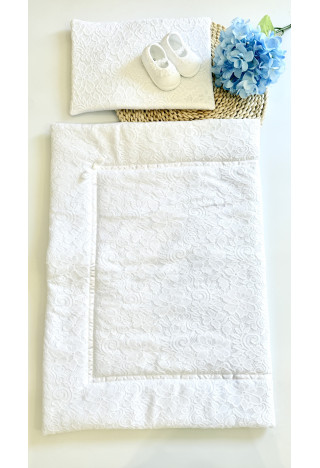
In addition to finalizing the details of the party, don’t forget about the baby’s outfit. These days, there are plenty of options to choose from. When choosing an outfit for the baptism, take the season into account and make sure the child is comfortable. Therefore, it’s a good idea to check whether the garment is made of natural fabrics.
As is well known, a baptismal candle and a white robe are essential for the sacrament. According to tradition, the godfather buys the candle and the godmother buys the robe, but it’s a good idea to clarify these matters before the ceremony.
Baptism – The Ceremony
Many parents have no idea how a baptism is conducted. Below is the essential information on this topic. The baptism itself lasts only 15 minutes and takes place after the homily. By knowing the order of the baptism, parents and godparents can feel more at ease and will certainly not be stressed.
· Welcome
The ceremony begins with a welcome. The parents and godparents arrive at the church at the time agreed upon with the priest and wait for him at the entrance. The priest approaches the parents and asks them questions, including what name they are giving the child and whether they are aware of the responsibilities associated with baptism. At this point, the priest traces the sign of the cross on the child’s forehead and proceeds to celebrate Holy Mass
· Holy Mass
The Mass follows the standard order of service up to the homily. This is followed by the actual baptism of the child. The procedure for the sacrament is the same in all parishes. After reciting specific prayers, the priest asks the parents and godparents a series of questions, followed by the actual baptism of the child. This involves pouring holy water from the baptismal font over the child’s head. Next, the priest anoints the child’s forehead with the sign of the Cross, and the infant is dressed in a white robe prepared in advance. Afterward, the godfather lights a candle from the paschal candle.
After the baptismal ceremony itself is complete, the rest of the Mass continues. The parents and godparents should receive Holy Communion. After Mass, the godparents go to the sacristy to sign the appropriate documents certifying their participation in the sacrament of baptism.
Summary
As you can see, the baptism ceremony requires a great deal of preparation, both formal and informal. It will be very helpful to make a list of the necessary tasks—this way, you can be sure that nothing will be overlooked. It is also important to keep track of all deadlines and to think about certain matters in advance.