Holy Baptism is a very important sacrament for people who were raised in the Catholic faith and continue to be active members of the church community. The first references to Baptism can be found in the Acts of the Apostles. There we find a passage stating that entire households were baptized. The situation was very similar when Mieszko I, King of Poland, was baptized and chose the faith for the entire nation.
Today, this sacrament is administered in a church, usually in the presence of the child’s immediate family. A young child is brought to baptism by their parents, and godparents also take responsibility for the child’s faith. Who can become a godfather? What requirements must be met to become a godfather without any issues?
What does the sacrament of Holy Baptism look like?
Holy Baptism is a solemn and dignified sacrament. It is through this sacrament that a newborn child is welcomed into the church community. The ceremony involves not only the child but also the parents and godparents, who are required to profess their faith and receive Holy Communion during the Mass.
Here are the key points of the ceremony that are worth knowing:
• The priest asks the parents what name they have chosen for their child (it’s a good idea to discuss this with the priest beforehand; if the name conflicts with Catholic teachings, he may not approve of it),
• After the name is given, the priest asks what the parents are asking for their child (this, of course, refers to Holy Baptism),
• The next step is the ceremony itself, during which questions are asked of the parents and godparents, and the child is then welcomed into the community by name,
• the priest traces the sign of the cross on the child’s forehead, followed by the parents and godparents,
• After these steps, the priest proceeds to the Mass, and following the homily, he performs the final rites—the prayer of exorcism, the prayer of blessing the water, the prayer of thanksgiving, and a series of questions for the parents,
• Next, the priest pours holy water from the baptismal font over the child’s head; then the child receives a white robe from the godmother, and the godfather lights the baptismal candle from the paschal candle,
• The final step is for the parents and godparents to receive Holy Communion.
What role do godparents play?
Many people wonder who godparents actually are and what role they play. Well, as outlined in the Code of Canon Law, godparents are tasked with accompanying the child in their initiation into the principles of Christian life, assisting the child’s parents in this process, and ensuring that the baptized child faithfully fulfills the duties associated with such a life. Every child should have at least one godparent, although in our country it is customary for each child to have two godparents—one woman and one man. They cannot be two women or two men.
Who can be a godfather?
One of the most frequently asked questions on this topic is: Who can be a godparent? Who can be a godfather, and what requirements must be met to qualify for this role?
According to the Code of Canon Law, a man may become a godfather if he:
• has been designated by the person being baptized or by their parents or legal guardians. If these individuals are not available, the parish priest or minister may select a candidate for godfather,
• is at least 16 years old, there may be exceptions to this rule, which may be justified by particular law (i.e., the law in effect in a given area, if it differs from generally applicable norms); however, there must be a serious reason for someone younger to serve as a godfather,
• has the intention to fulfill this role; no one can be forced to do so,
• is a Catholic—that is, a believer living according to the same faith—and, furthermore, a man who has received Confirmation,
• He leads a life consistent with the role and in accordance with the principles of the faith, including attending Sunday Mass,
• is free from canonical penalties and is able to receive the sacrament of penance,
• attends or has attended religious education classes at school,
• is not the father of the person being baptized.
As you can see, a man must meet many conditions to qualify as a godfather. However, this is not difficult, as it is rare for the person chosen by the parents to have any issues meeting these requirements.
Who cannot become a godfather?
There are also people among us who cannot serve as godfathers. These include men who:
• live in non-sacramental relationships,
• are not Catholic,
• were baptized and even received the other sacraments but have left the Church.
It is therefore very important to carefully consider who to choose as godfather for our child. Nor should anyone be forced into this role. If a brother, brother-in-law, cousin, or friend is unable to fulfill this role and speaks openly about it, it is necessary to find someone else.
If you’ve run out of options and can’t find the right person, you can ask your parish priest for help—he can designate a man who will certainly be able to serve as godfather.
What documents are required for Baptism?
If you’re planning your child’s baptism, you have quite a few challenges ahead of you. Not only do you need to choose people who will be suitable godparents, but you also need to pick an appropriate name, reserve a date at the church, schedule a meeting before the ceremony itself, and make important purchases, such as the white robe that the godmother puts on the child and the baptismal candle that the godfather lights in the church.
The sacrament of baptism also requires preparing documents such as:
• the parents’ church marriage certificate,
• the child’s abridged birth certificate,
• documents confirming the personal information of the godparents and the child’s parents.
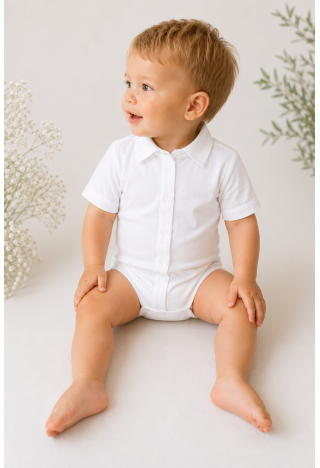
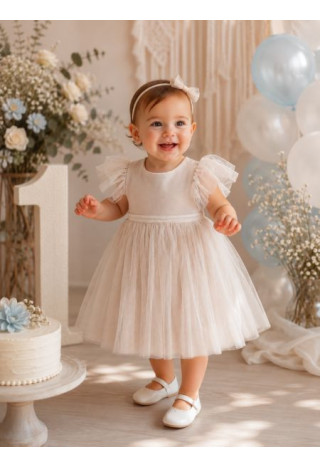
Baptism is so important and special that the little one must also be dressed and prepared appropriately. The parents’ attire must also be appropriately chosen. Many ceremonies of this type conclude with a reception for guests and immediate family. This can be held at home or at a restaurant. The choice depends on the parents’ preferences and budget.