

The History of the Priest's Sutanna
The priest’s cassock is one of the most recognizable items of clerical attire worldwide. Its history dates back to early Christianity, when clergy began wearing special garments to distinguish themselves from laypeople. Initially, these were simple tunics, which over time evolved into more elaborate and symbolic garments known today as cassocks.
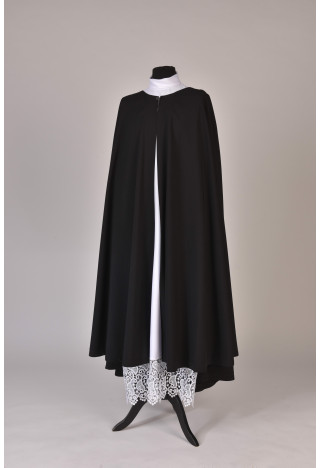
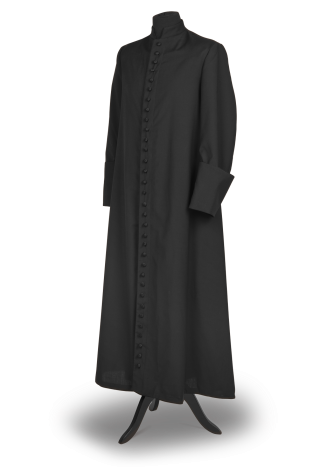
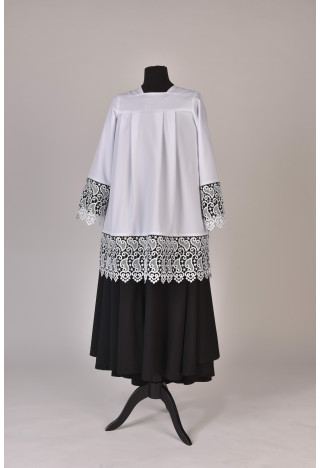
The first mentions of cassocks appear in church documents from the 4th century, when clergy began wearing longer robes. In the Middle Ages, the cassock became the standard attire for priests, symbolizing their devotion to God and the Church. Over time, the cassock took on various styles and details, depending on the region and church traditions, becoming an integral part of a clergyman’s life.
The Symbolism and Significance of the Sutanna
A priest’s cassock is not only an article of clothing but also a symbol of spirituality and devotion. Wearing the cassock serves to remind priests of their obligations to God and the church community. The cassock is often worn on a daily basis, which underscores the clergyman’s constant presence in parish life.
The color of the cassock can also have symbolic meaning. Traditionally, the cassock is black, symbolizing humility and death to the world, but in some cases, cassocks of other colors can be found, such as the white cassock worn by the pope, which symbolizes purity and innocence. A red cassock may be worn by cardinals as a symbol of their readiness for martyrdom.
How many buttons does a priest’s cassock have?
How many buttons does a priest’s cassock have? This question often comes up in the context of the details of clerical attire. The traditional Roman cassock has 33 buttons, symbolizing the age of Jesus Christ at the time of His death. These 33 buttons are arranged along the front panel of the cassock, which is one of the most distinctive features of this garment.
The buttons on the cassock serve not only a practical function but also a symbolic one. Wearing a cassock with 33 buttons is meant to remind the priest of the life and sacrifice of Jesus. In some regions, the number of buttons may vary, but the symbolism remains similar, emphasizing spiritual commitment and sacrifice.
Why do priests wear cassocks?
There are several important reasons why priests wear a cassock. First, the cassock is a symbol of their devotion to God and service to the Church. This garment helps clergy stand out in the community, which is important for their role as spiritual guides. The cassock also reminds priests of their commitments and their calling to live a life of humility and modesty.
A priest in a cassock is also more recognizable to the faithful, which makes it easier for them to seek spiritual guidance. The cassock also serves a practical function, providing priests with appropriate attire for various liturgical and everyday occasions. Wearing a cassock is therefore both an expression of spirituality and a practical solution for the daily work of clergy.
The Roman Sutana—Characteristics
The Roman cassock is one of the most traditional and recognizable styles of cassock worn by Catholic priests. It is characterized by a simple cut, long sleeves, and 33 buttons along the front panel. The Roman cassock is usually made of black fabric, though for higher-ranking clergy it may come in other colors.
The Roman cassock is a symbol of spiritual devotion and humility. Its simplicity and elegance are meant to remind clergy of their calling to live a life of modesty and service. The buttons on the Roman cassock also have symbolic meaning, serving as a reminder of the life of Jesus Christ. The Roman cassock is worn daily by many priests and is an integral part of their liturgical attire.
Buttons on the Cassock—Symbolism and Function
The buttons on the cassock have both practical and symbolic significance. The traditional Roman cassock has 33 buttons, symbolizing the age of Jesus Christ at the time of His death. Each button serves as a reminder of Jesus’ sacrifice and life, intended to inspire clergy to follow His example.
The buttons also serve a practical function, making it easy to put on and take off the cassock. The number of buttons may vary depending on the region and church traditions, but the symbolism remains similar. The buttons are an essential element of clerical attire, emphasizing the spirituality and devotion of priests.
The Priest’s Collar—Meaning and History
A priest’s collar, also known as a clerical collar, is a distinctive element of clerical attire worn by Catholic priests and other clergy. The collar is usually white and contrasts with the dark color of the cassock, symbolizing purity and devotion to God. The clerical collar is worn daily and during liturgical ceremonies.
The history of the clerical collar dates back to the early centuries of Christianity, when clergy began wearing special vestments to distinguish themselves from the laity. The clerical collar became a standard part of clerical attire in the 19th century, symbolizing their devotion and humility. Wearing the clerical collar helps clergy stand out in the community and emphasizes their role as spiritual guides.
The Sutanna in Various Church Traditions
The cassock may vary depending on church traditions and region. In the Catholic Church, the cassock is typically black, but in other traditions it may come in various colors. For example, in the Anglican Church, clergy may wear purple or red cassocks, depending on their rank and role.
In some church traditions, cassocks may feature different cuts and details, such as embroidery or embellishments. Each element of the cassock has its own symbolic meaning, emphasizing the spirituality and traditions of a given church. The cassock is not only an article of clothing but also an important symbol of spiritual devotion and service.
Contemporary Changes in Clerical Attire
Contemporary clerical attire is undergoing certain changes to adapt to new needs and challenges. Some churches are opting for more modern and comfortable versions of the cassock that are better suited to daily duties and the modern lifestyle.
These changes may include modifications to the cut, fabric, and color, as well as to the way the cassocks are worn. For example, some churches may opt for shorter cassocks or use more durable and breathable fabrics that are better suited to the work of clergy. Contemporary changes reflect the evolution of clerical life and adaptation to new circumstances.
Summary—The Role of the Cassock in the Life of a Clergyman
A priest’s cassock serves many functions, both symbolic and practical. It is a symbol of devotion to God, humility, and modesty, as well as a reminder of the clergy’s obligations. Wearing the cassock helps priests stand out in the community, making it easier for the faithful to seek spiritual guidance.
The cassock is also a practical item of clothing, providing appropriate attire for various liturgical and everyday occasions. The traditional Roman cassock with 33 buttons is a symbol of spiritual devotion and humility, and wearing it serves to remind priests of their calling to ministry. The cassock is therefore not only an article of clothing but also an important element of a priest’s life.


